
Illuminating Productivity: Choosing the Best Lighting for Your Office
What sort of lighting works best in an office setting? First of all, Proper lighting has a big impact on an office space's environment and productivity. This post examines the many kinds of illumination and clarifies which is ideal for the most comfortable working environment. 1.
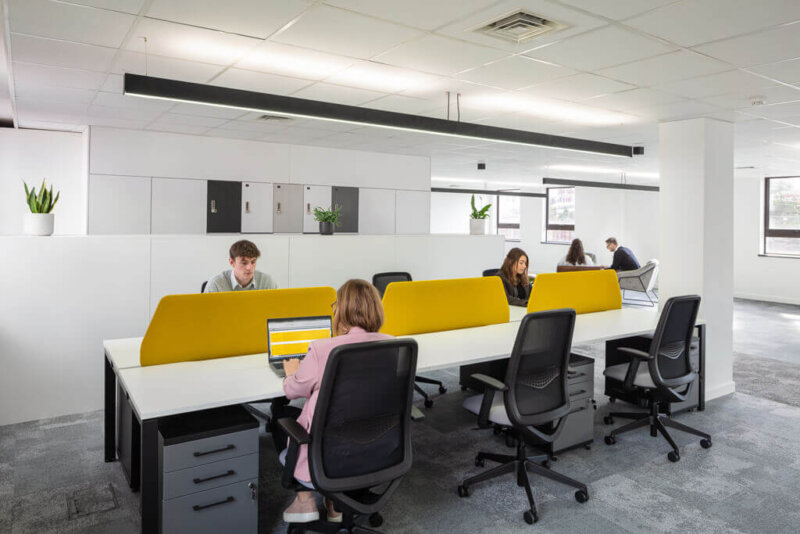
What sort of lighting works best in an office setting?
First of all, Proper lighting has a big impact on an office space’s environment and productivity. This post examines the many kinds of illumination and clarifies which is ideal for the most comfortable working environment.
1. Natural Light:
- Why It Matters: In professional settings, natural light is revolutionary. Increased mood, improved alertness, and circadian rhythm regulation are all benefits of it.
- How to Include: Place workstations next to windows and use light-colored or transparent window coverings to maximise natural light.
2. LED Lighting:
- Why It Matters: LED lights offer consistent illumination and are energy-efficient. They provide flexible design alternatives, lessen eye strain, and support sustainability.
- How to Include: To guarantee even distribution, install LED linear lights or panels. If you want to change the colour temperature of the lights throughout the day, think about using adjustable LED lights.
3. Task Lighting:
- Why It Matters: Task lighting reduces shadows and improves visibility by providing targeted illumination for designated work areas.
- How to use: To ensure that workers have enough light for their duties, use desk lamps or adjustable LED lighting to illuminate individual workstations.
4. Indirect Lighting:
- Why It Matters: Softer, cosier lighting is produced by indirect lighting, which also lessens glare. It enhances the visual appeal of a workspace.
- How to Include: To create a diffused radiance, utilise indirect lighting sources like pendant lights or wall sconces to bounce light off surfaces.
5. Smart Lighting Systems:
- Why It Matters: Automation provided by smart lighting systems enables personalised lighting situations. They can be customised to meet specific needs and help save energy.
- How to Implement: Make an investment in smart lighting controls that allow for colour temperature modifications, occupancy sensors, and scheduling to accommodate various work activities.
6. Consideration of Color Temperature:
- Why It Matters: Mood and concentration are affected by the colour temperature of the illumination. Cooler tones increase attentiveness, while warmer tones can create a cosy atmosphere.
- How to Include: Depending on the intended use, employ warm and cool lighting in different areas or use lighting with adjustable colour temperatures.
Conclusion: In conclusion, choosing the ideal workplace lighting requires careful evaluation of elements like task-specific lighting, LED technology, natural light, and smart lighting controls. Businesses may enhance worker productivity and well-being by providing a cosy, well-lit workplace. Using natural light or incorporating smart lighting options, the correct lighting design can genuinely show the way to a more productive and pleasurable work environment.
Let’s light your next project
Tell us what you’re working on — we’ll design, make and deliver the lighting, start to finish.
More from the journal
Get more lighting insights
Project stories, product launches and specifier know-how — straight to your inbox. No spam, unsubscribe anytime.