
What is linear lighting?
Linear lighting is defined as a linear shape luminaire (opposed to square or round).
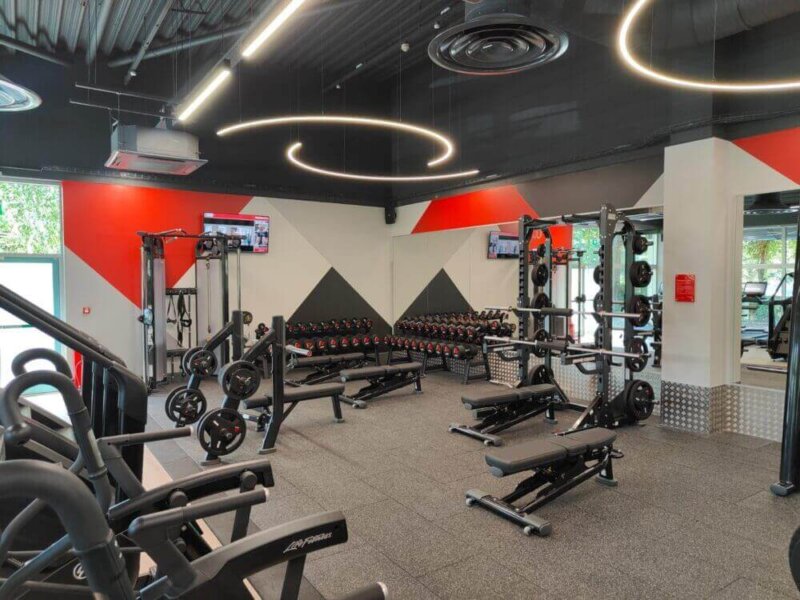
Linear lighting is defined as a linear shape luminaire (opposed to square or round). These luminaires long optics to distribute the light over a more narrow area than with traditional lighting. Usually, these luminaires are long in length and are installed as either suspended from a ceiling, surface mounted to a wall or ceiling or recessed into a wall or ceiling.
Linear ceiling light have revolutionized the way we light long spaces such as retail stores, warehouses, and office buildings. In the past, these spaces were difficult to light due to the lack of linear lighting technology, which resulted in inefficient use of incandescent bulbs and wasted light. However, the adoption of fluorescent tubes in industrial spaces in the 1950s marked the beginning of linear lighting technology. As the technology grew, linear lighting became more widely used in commercial and residential spaces.
With the emergence of LED lighting in the early 2000s, linear lighting technology saw significant improvements in performance and aesthetics. LED linear lighting allowed for continuous light lines without any dark spots, which was previously an issue with fluorescent tubes. Today, there are a plethora of options available for linear lighting, including direct/indirect, tuneable white, RGBW, daylight dimming, and more. These features packaged into stunning architectural luminaires can result in unrivalled products.
In conclusion, linear lighting has come a long way since its inception, and LED technology has played a crucial role in its advancement. The ever-increasing demand for aesthetically pleasing and high-performance linear lighting continues to drive innovation in the industry.
What are the types of linear lighting?
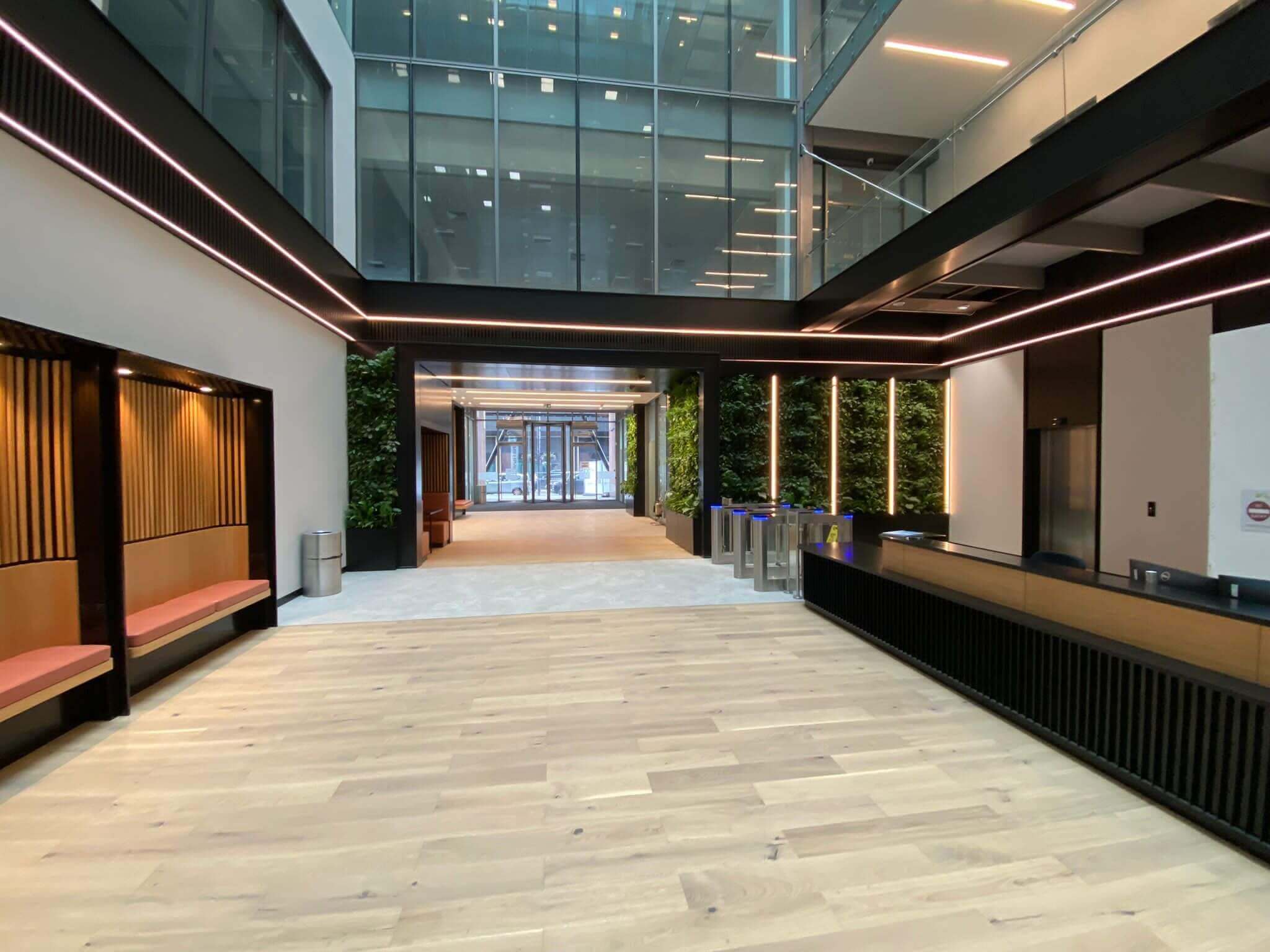
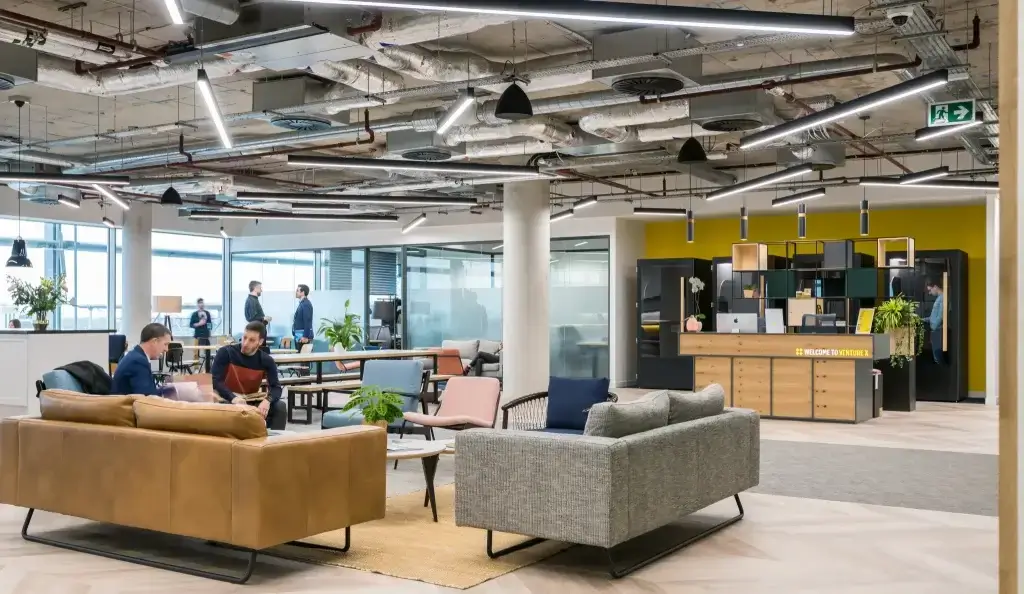
Linear lighting is now available in a lot more options than when it was first introduced many years ago. When we look at mounting, linear lighting can be recessed, surface mounted or suspended. With regards to IP rating (ingress protection), many products are around IP20 however you will find luminaires on the market which are IP65 rated (meaning they are suitable to kitchen, bathrooms and places where there is water). Size can also vary greatly with linear light fixtures; you can have single pendants of linear lighting or continuous runs of over 50m. These could be large enough to illuminate a room or small linear lighting for ambience or task lighting such as under-cabinet lighting.
Why Linear lighting?
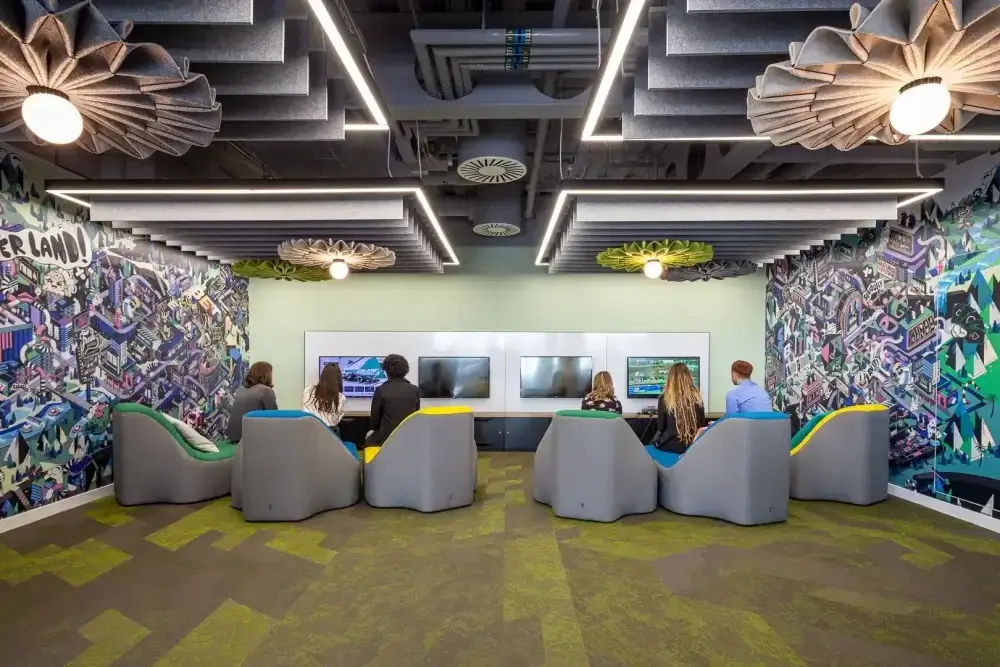
Linear lighting is has become increasingly popular due to its flexibility, excellent performance and aesthetic appeal. Flexibility – linear lighting can be mounted into almost any ceiling type. You can get surface mounted, suspended, recessed and grid ceiling mounted. Some linear lighting products offer a range of connecting shapes in corner L shapes or T and cross junctions. These connecting shapes combined with a range of lengths allow lighting designers to create truly unique designs with a luminaire that can be designed to fit the room. Performance – LEDs are directional, reducing the need for reflectors and diffusers that and reduce efficacy. Aesthetics – it is often not enough to have excellent performance; this needs to be matched with stunning design. However, LED Linear has a pretty strong offering in that department as linear lighting provides a massive amount of versatility for creating unique and eye-catching designs. Custom designs with corners, squares, long linear runs, direct/indirect light and custom RAL colours are just a few of the options available that make LED Linear fixtueres an easy choice. Colour temperature – LED Linear ceiling lights can often offer a wide range of colour temperatures, flexible to meet the lighting environment. From warm white to cool white, different temperatures can be used to create mood and atmosphere in a space. Also, linear lighting is often available in tunable white and RGBW colour changing light – controlled by remote control or wall control.
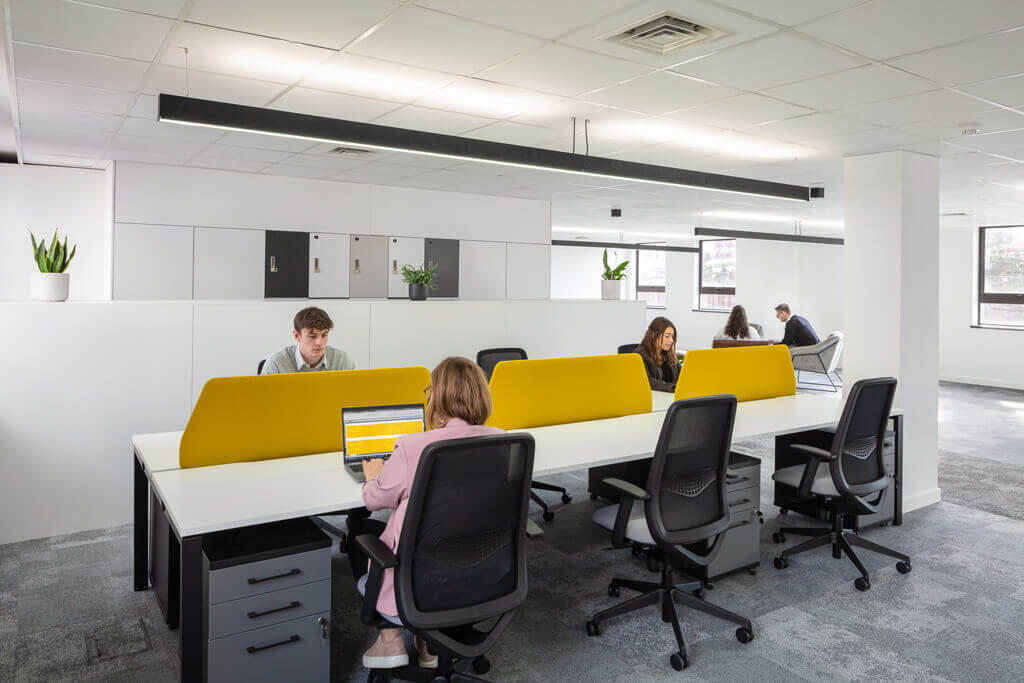
Where are linear ceiling lights used?
Due to the flexibility of linear light fixtures the products are used in a wide and increasing variety of applications. In the past, we used to see linear lighting often used in commercial spaces such as retail and offices however we are now seeing more and more linear lighting used in schools and even in domestic applications for ambient lighting.
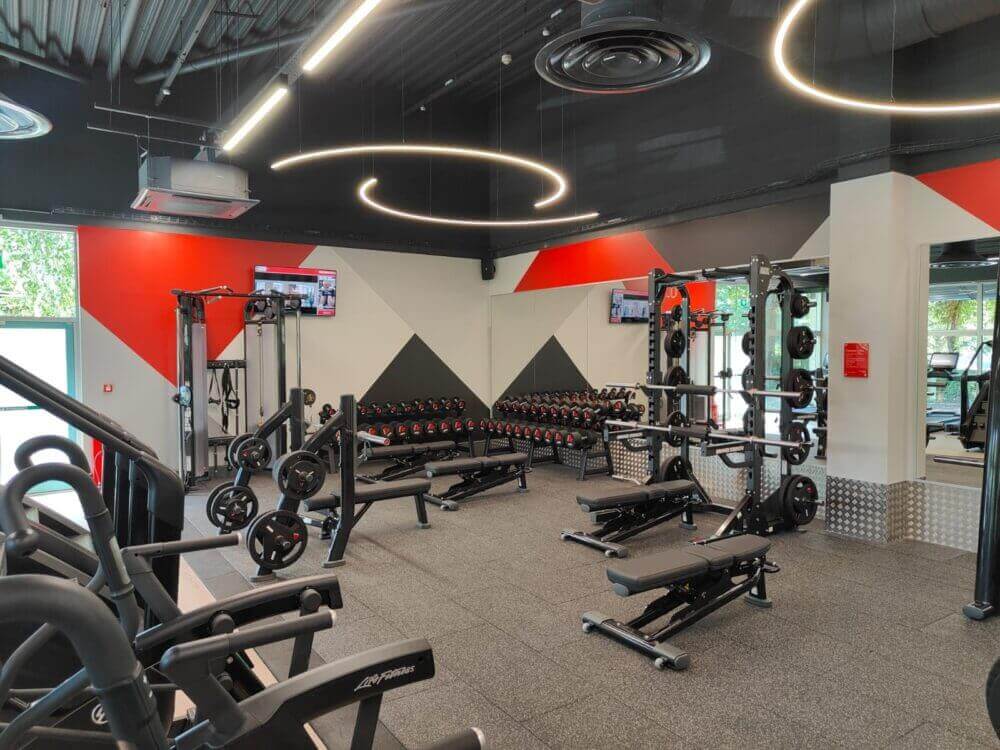
What is curved linear lighting?
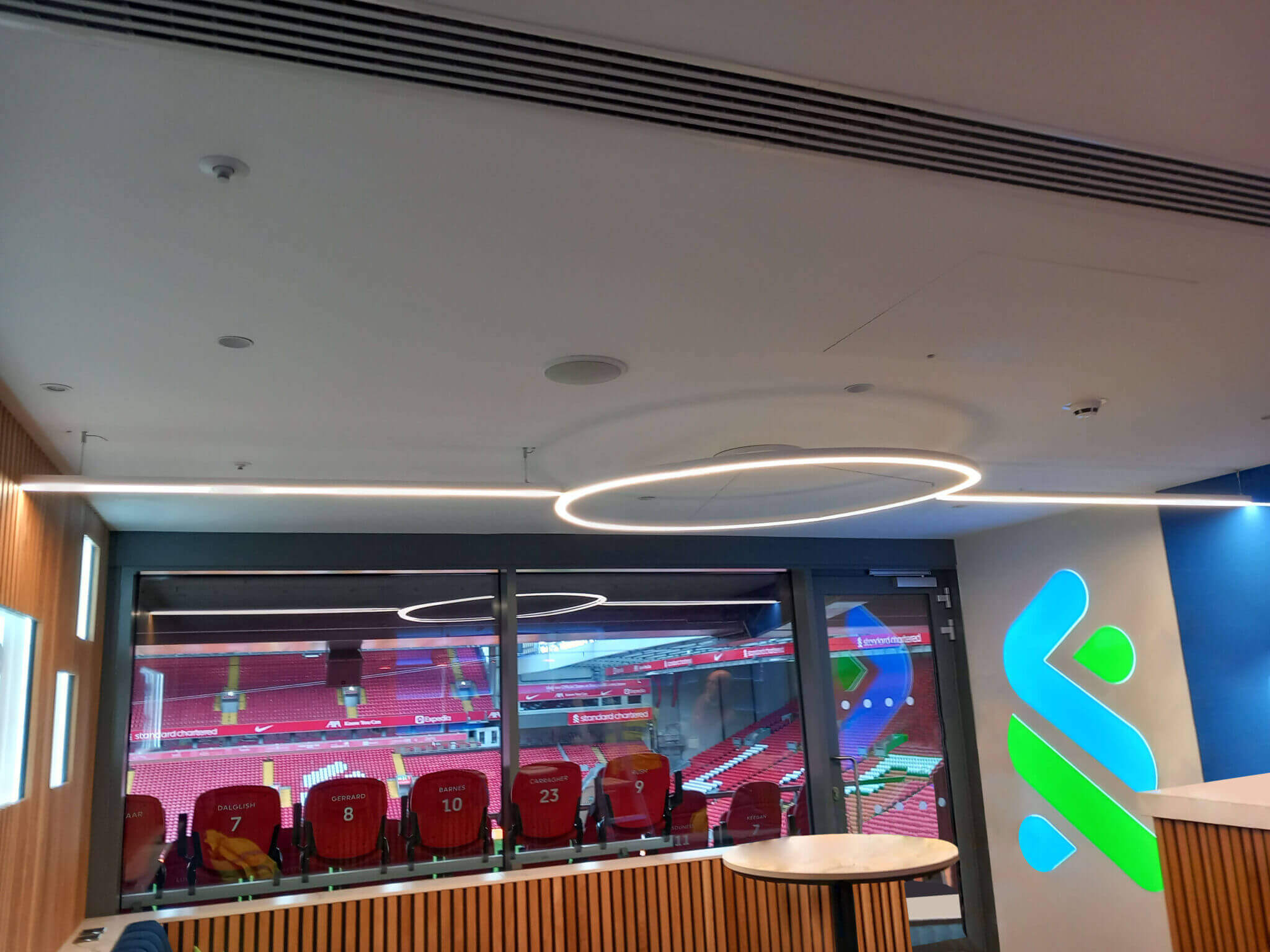
Curved linear lighting is a contemporary lighting approach that uses flexible or pre-curved luminaires to gracefully follow curved patterns. Unlike traditional linear lighting, this design seamlessly integrates into architecturally complex spaces with curved walls or rounded corners. It offers versatile configurations, allowing designers to customize the shape, length, and curvature of the luminaires for various applications.
From commercial venues like hospitality spaces and retail stores to residential interiors, curved linear lighting showcases its adaptability. Its seamless integration eliminates abrupt transitions, promoting a harmonious flow within the space. This dynamic lighting solution acts as a focal point, drawing attention to architectural features and creating an inviting atmosphere.
Curved linear lighting is a contemporary lighting approach that uses flexible or pre-curved luminaires to gracefully follow curved patterns. RICOMAN, a leading lighting solutions provider, offers a cutting-edge curved linear lighting system called Flow. Flow seamlessly integrates into architecturally complex spaces, featuring customizable configurations to match the unique design requirements of any project.
What is linear lighting?
Let’s light your next project
Tell us what you’re working on — we’ll design, make and deliver the lighting, start to finish.
More from the journal
Get more lighting insights
Project stories, product launches and specifier know-how — straight to your inbox. No spam, unsubscribe anytime.