
Why is lighting design important?
In short, lighting design shapes how a space looks, feels, and functions, setting the mood, boosting productivity, improving safety, and supporting wellbeing. Here’s why lighting matters and what goes into getting it right. These are some tips from our Lighting design team. 1.
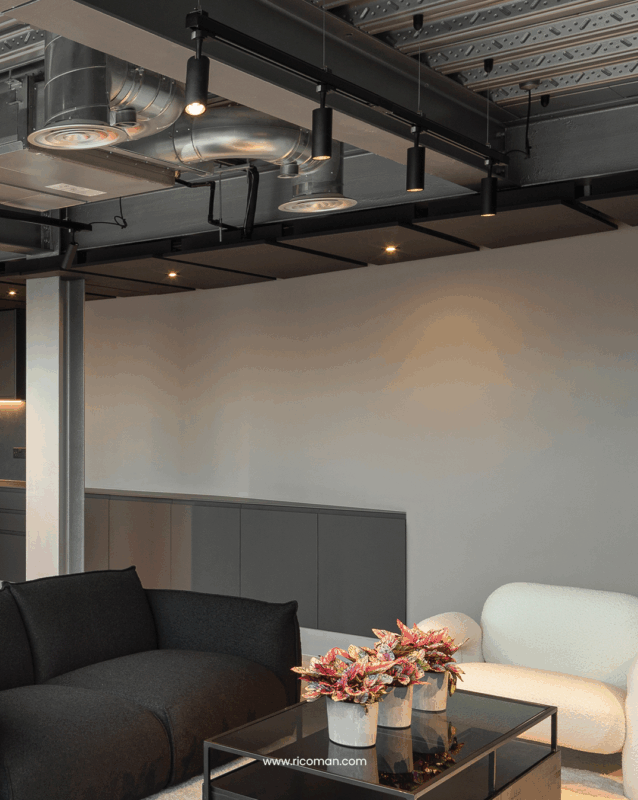
In short, lighting design shapes how a space looks, feels, and functions, setting the mood, boosting productivity, improving safety, and supporting wellbeing.
Here’s why lighting matters and what goes into getting it right. These are some tips from our Lighting design team.
1. Lighting Shapes Our Experience of Space
Light doesn’t just let us see a room; it defines it. The way light interacts with surfaces, casts shadows, or highlights architectural features can completely transform how we experience a space.
Bright, even lighting opens up a room, making it feel functional and expansive.
Soft, directional lighting creates warmth and intimacy, perfect for relaxing or social settings.
Accent lighting draws attention to textures, details, or standout features.
When done right, lighting brings architecture to life, enhancing both its beauty and its function.
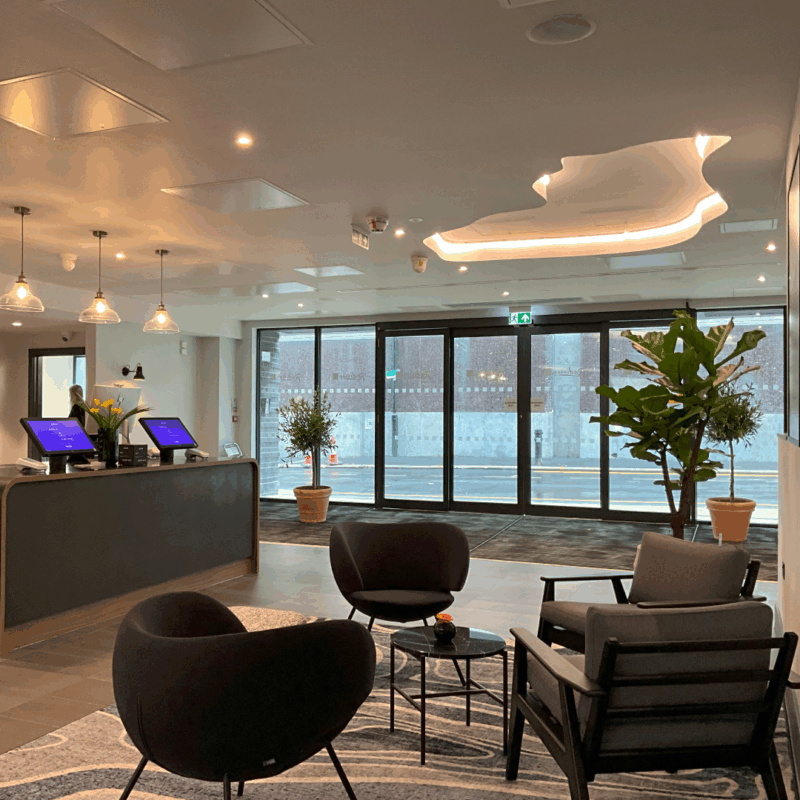
2. How Lighting Affects How We Feel and Act
Lighting goes beyond just what we see; it affects us biologically.
Our bodies react to light through the circadian rhythm, the internal clock that controls sleep, alertness, and mood.
Cooler light (4000 – 6500 K) boosts focus and energy, making it perfect for offices, classrooms, and other work environments.
Warmer light (2700 – 3000 K) promotes relaxation, ideal for restaurants, lounges, and cosy home spaces.
Effective lighting design takes into account colour temperature, direction, and intensity to set the right mood for every activity.
3. Elevating Work and Wellness Through Light
Studies show that well-designed lighting can have a major impact on focus, performance, and mental well-being. In office settings:
Even, low-glare lighting helps reduce eye strain and visual fatigue.
Tunable or dynamic lighting that mimics natural daylight supports daytime alertness and helps regulate sleep patterns.
Biophilic lighting (which brings natural light patterns or elements indoors) enhances comfort and fosters a connection to nature.
A thoughtful lighting strategy doesn’t just make a space look better; it can boost productivity, improve mood, and even reduce absenteeism.
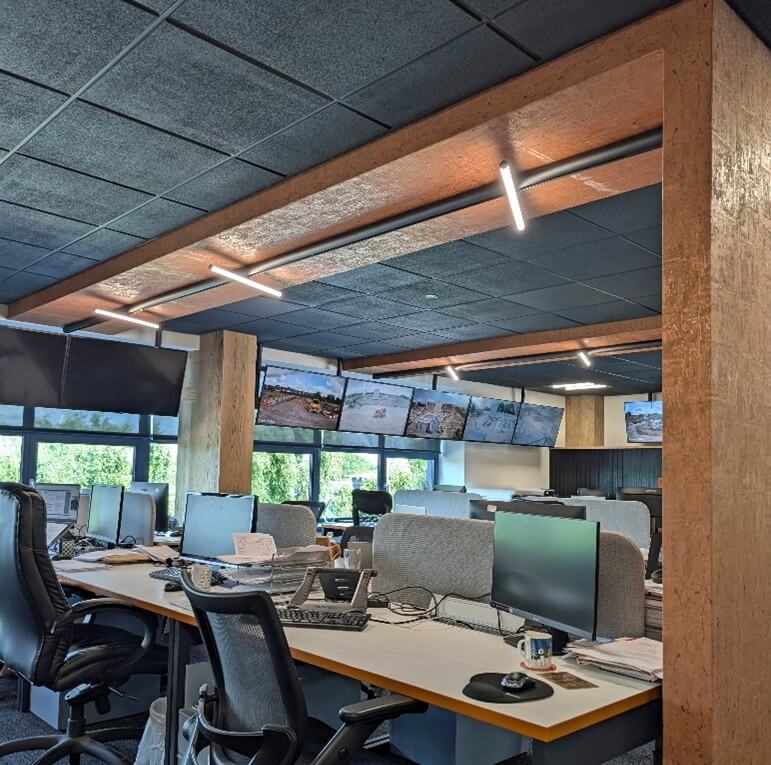
4. Lighting That Works and Wows
Every space has unique lighting needs, whether it’s task-focused illumination, ambient glow, or decorative accents. A skilled lighting designer balances three key layers to put the right light in the right place:
Ambient lighting: Provides overall illumination for general visibility. Our Astrowave 360-degree rope light is a great example.
Task lighting: Focused light for specific activities, like reading, cooking, or working – Our Estrella Pro Range.
Accent lighting: Highlights textures, artwork, or architectural features to add depth and interest. A good solution to highlight a specific area of your space would be LED strip – RICOSTRIP .
The goal isn’t just to make a space visible. It’s to make it feel right, creating the perfect blend of function and atmosphere.
5. Green Lighting: Efficiency Meets Sustainability
Lighting can be one of the biggest energy consumers in a building, sometimes accounting for up to 40% of total usage. That’s why designing with efficiency in mind is crucial.
Modern lighting strategies rely on LEDs, automated controls, and sensors to cut unnecessary energy use.
Adaptive brightness: Sensors and dimmers respond to natural daylight, keeping spaces well-lit without wasting power.
Long-lasting LEDs: These bulbs can shine for up to 100,000 hours while using far less energy than traditional lighting.
Targeted lighting zones: Lights only operate where and when they’re needed, avoiding wasted illumination.
The result is a system that not only lowers energy bills but also supports environmental sustainability, proving that smart lighting can be both practical and planet-friendly.
6. Safety and Regulation Through Thoughtful Lighting Design
Lighting isn’t just about looks – it’s a key factor in safety, visibility, and regulatory compliance. In offices, public buildings, and other commercial spaces, lighting must meet specific standards, including emergency lighting requirements.
Well-planned lighting can:
Reduce glare, preventing hidden hazards.
Provide clear illumination for safe movement and navigation.
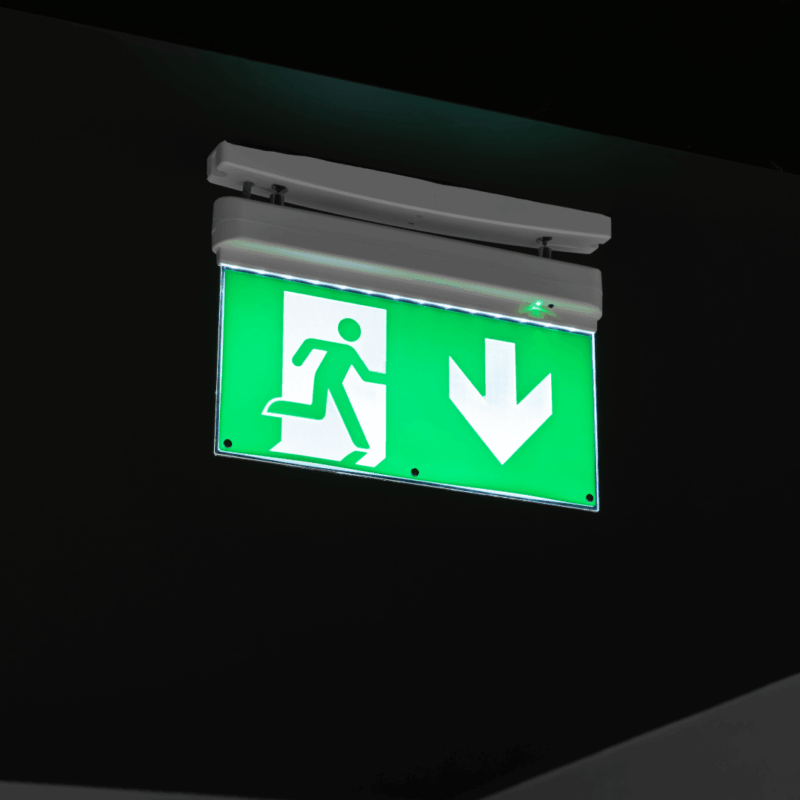
Highlight emergency exits, ensuring visibility even during power outages. Meet our emergency range.
In short, thoughtful lighting design isn’t just decorative; it’s an essential part of creating safe, functional, and compliant spaces.
7. The Art of Balancing Natural and Artificial Light
The most effective lighting design goes beyond choosing fixtures; it’s about creating harmony between natural and artificial light.
Designers analyse how sunlight moves through a space, how its intensity shifts throughout the day, and how artificial lighting can enhance or balance those changes.
By thoughtfully blending both light sources, they craft environments that evolve with the daylight cycle, supporting comfort, mood, and productivity, while also cutting down on energy consumption.
8. The Long-Term Benefits of Good Lighting Design
Lighting may seem like a finishing detail, but it affects everything, from user satisfaction to property value.
A thoughtfully designed lighting system:
-Enhances architectural quality
-Improves energy performance
-Increases comfort and productivity
-Reduces maintenance costs
For commercial spaces, that translates into better customer experiences and more efficient operations.
We offer a free lighting design service, using professional software to model brightness levels, colour temperatures, beam distributions and more. These designs ensure compliance with standards and help clients visualise how the final space will look and perform. Our lighting design team specialises in creating custom linear LED solutions tailored to your vision; whatever you imagine, we can bring it to life.
With 3D renders and lighting calculations, clients can see how a proposed system will behave before installation, saving time and cost during construction.
Lighting design is no longer just about visibility; it’s about creating environments that support people.
Let’s light your next project
Tell us what you’re working on — we’ll design, make and deliver the lighting, start to finish.
More from the journal
Get more lighting insights
Project stories, product launches and specifier know-how — straight to your inbox. No spam, unsubscribe anytime.