
What’s the Difference Between Lux and Lumens?
In short, lumens measure the total brightness a light source produces, while lux measures how much of that light actually falls on a surface. Lumens tell you how bright a lamp is, and lux tells you how effectively that brightness illuminates your space.
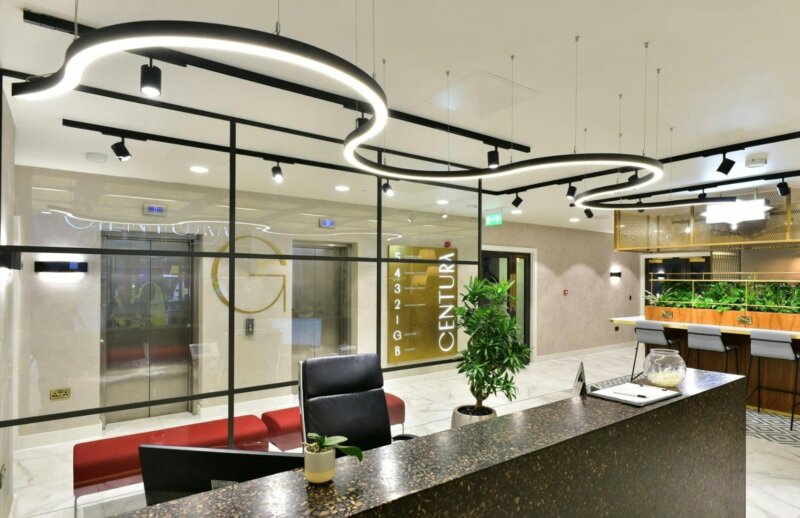
In short, lumens measure the total brightness a light source produces, while lux measures how much of that light actually falls on a surface. Lumens tell you how bright a lamp is, and lux tells you how effectively that brightness illuminates your space. Understanding the difference ensures your room is bright enough for comfort and tasks without being overwhelming.

How Do I Know How Many Lumens I Need in My Space?
According to our Lighting Designer, Teagan Williams-Tate, here are some rough guidelines for residential spaces:
Living areas: ~150 lumens for soft, ambient lighting
Kitchens and workspaces: ~200 lumens for brighter, task-oriented lighting
Bathrooms: ~150 lux
Toilets: ~100 lux
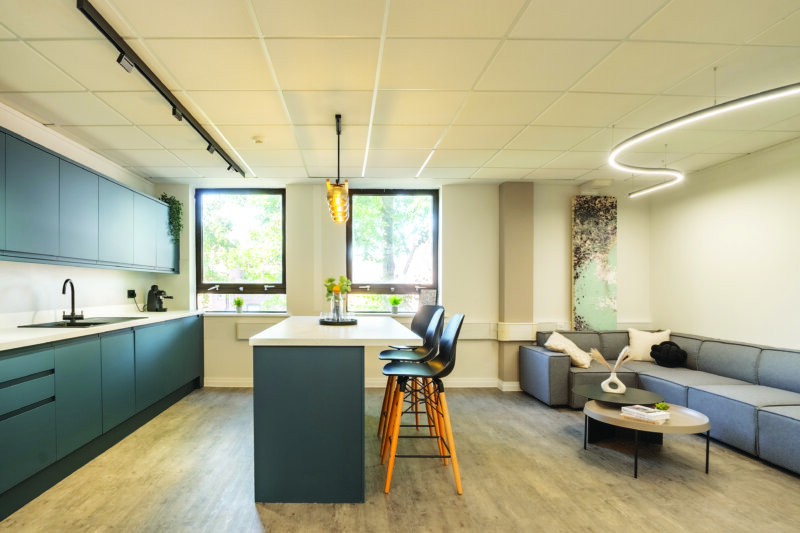
These are general recommendations and may vary depending on client preferences, building type, or the intended use of the space. In living areas, for example, our curved linear lights like our Flow + are very popular.
Why is it Important to Have the Right Lux/Lumen Levels?
The right lux and lumens directly affect comfort, functionality, safety, and aesthetics.
Visual Comfort: Too little light causes eye strain and fatigue; too much creates glare and harsh shadows. Proper lux ensures your eyes are comfortable.
Task Performance: Activities like cooking, reading, or office work need higher lux than relaxing in a living room. Correct lumens ensure tasks are performed safely and efficiently.
Safety: Poor lighting increases accident risks in stairs, hallways, and workspaces. Correct lux reduces hazards.
Mood and Ambience: Lighting sets the tone of a space. Balanced levels prevent spaces from feeling sterile or gloomy.
Energy Efficiency: Over-lighting wastes electricity and shortens fixture lifespan. Properly calculated lumens/lux provide optimal brightness without unnecessary energy use.
Wattage affects lumen output, and therefore brightness. For example, our Satellite pendant has switchable wattage, making it easy to adjust the light level to suit different spaces or moods.
How Do I Calculate the Lumens in My Space?
To calculate lumens, multiply your room’s area (in m²) by the recommended lux level for the space (e.g., 200 lux for a kitchen or workspace). Then, divide the total lumens across your fixtures. Simple, right? If math isn’t your thing, we offer a free lighting design service that can calculate the perfect lumens and layout for your space, making your lighting functional, comfortable, and beautiful.
Conclusion
Getting the right lux and lumens levels is more than just technical – it shapes how your space feels, functions, and looks. Proper lighting improves comfort, safety, and productivity while creating the perfect ambience. Whether you’re designing a new room, upgrading your lighting, or planning an event, understanding these fundamentals (and using our free lighting design service) ensures your space is illuminated just right.
Let’s light your next project
Tell us what you’re working on — we’ll design, make and deliver the lighting, start to finish.
More from the journal
Get more lighting insights
Project stories, product launches and specifier know-how — straight to your inbox. No spam, unsubscribe anytime.